








Are Polyurethane Baby Changing Pads Good for Babies?
Finehope | Product News
Parents change thousands of diapers during a baby’s first few years, making the changing surface an important part of everyday childcare. For baby-product brands and retailers, the material used in a changing pad also affects comfort, cleaning, durability, product appearance, and long-term performance.
So, are polyurethane baby changing pads good for babies?
In general, a well-designed polyurethane baby changing pad can provide a soft yet supportive surface, smooth one-piece construction, convenient cleaning, and excellent design flexibility. These characteristics make molded PU changing pads increasingly popular among modern parents and baby-product brands.
However, material selection is only one part of the product. The final changing pad should also have suitable dimensions, raised edges, stable placement, controlled material properties, clear instructions, and appropriate testing for its intended market.
What Is a Polyurethane Baby Changing Pad?
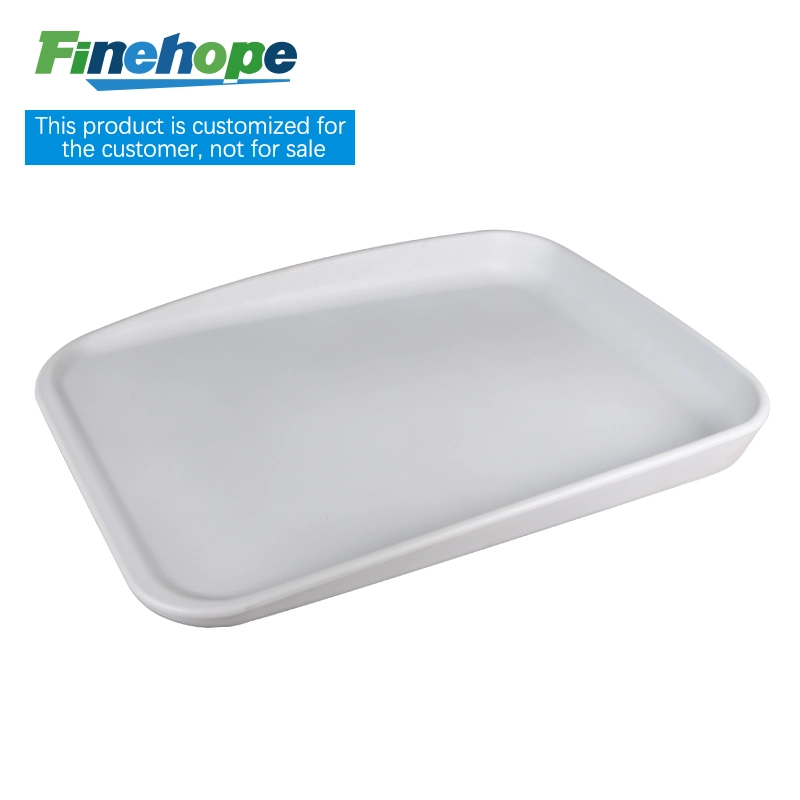
A polyurethane baby changing pad is a molded baby-care product made using polyurethane material. Unlike traditional changing mats assembled from fabric, covers, zippers, and separate foam layers, a molded PU changing pad can be manufactured as one integrated piece.
The surface, cushioning structure, supportive edges, dimensions, firmness, color, texture, and branding details can all be developed according to the customer’s product concept.
Depending on the formulation and design, polyurethane can provide a combination of softness, elasticity, support, durability, and a smooth outer surface. This makes it suitable for baby changing pads that need to remain comfortable while withstanding frequent daily use.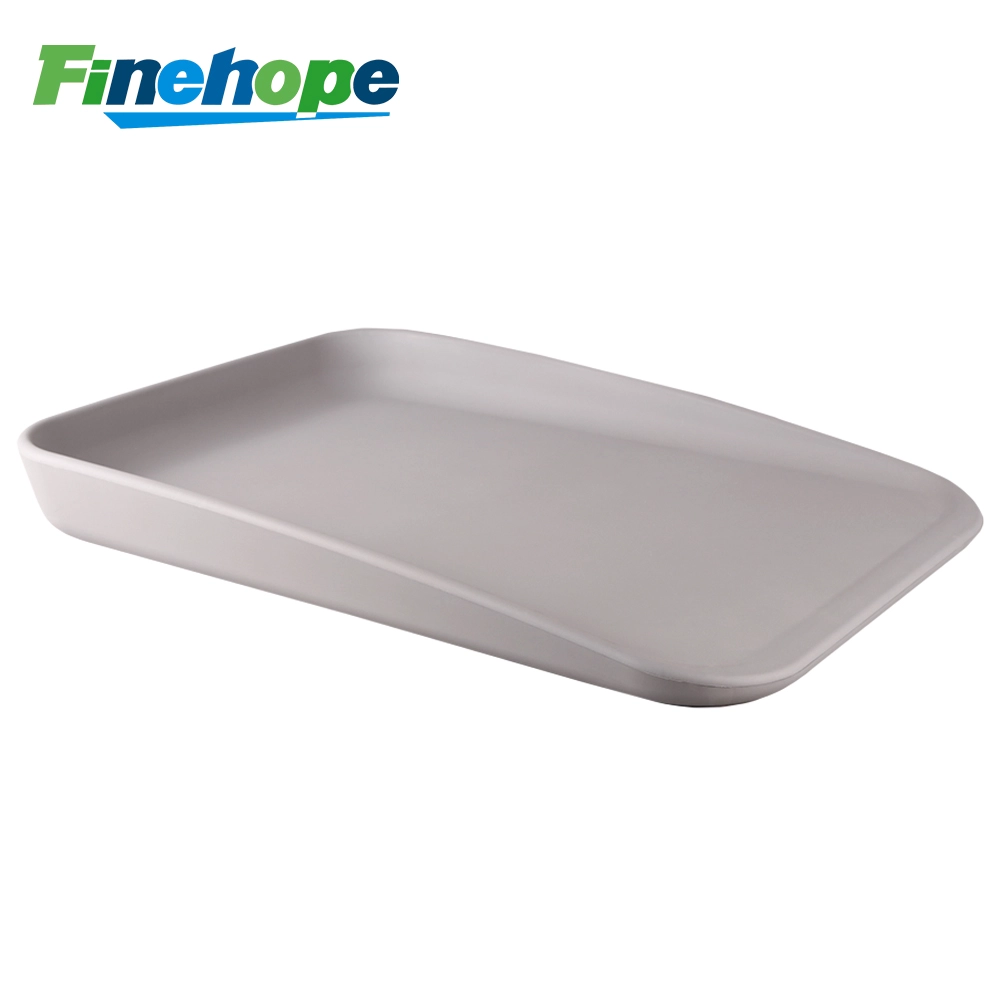
Why Are Polyurethane Changing Pads Popular?
Polyurethane changing pads combine practical material performance with modern product design. They can offer a clean, minimal appearance while helping parents simplify everyday diaper-changing routines.
For baby-product brands, polyurethane molding also allows greater control over the product’s shape, firmness, dimensions, surface finish, colors, and functional details.
Soft and Supportive for Everyday Changing
A baby changing surface should feel comfortable without being excessively soft or unstable.
The hardness, density, elasticity, and cushioning performance of polyurethane can be adjusted during product development. This allows manufacturers to create a surface that feels soft to the touch while providing appropriate support for everyday diaper changing and dressing.
The final comfort level depends on the PU formulation, product thickness, internal structure, surface shape, and intended application. These elements should be evaluated together during sampling and product testing.
Seamless One-Piece Construction
One of the main advantages of a molded polyurethane changing pad is its integrated construction.
Traditional fabric-covered changing pads may contain seams, zippers, stitching, removable covers, and separate foam components. These areas can collect moisture, creams, dust, or other residue if they are not cleaned carefully.
A one-piece molded PU changing pad can provide smooth transitions between the base, changing surface, and raised sides. The reduced number of seams and separate components helps create a cleaner and more streamlined product design.
Easy to Wipe Clean
Diaper changing frequently involves spills and mess, so convenient cleaning is an important consideration for parents.
A polyurethane baby changing mat with a smooth, closed surface can usually be wiped after use without removing and washing a fabric cover. This can make routine care more convenient, especially when the pad is used several times each day.
Cleaning performance still depends on the surface formulation, texture, resistance to staining, and compatibility with the intended cleaning products. Manufacturers should test the material with suitable household cleaning agents and provide clear care instructions for the finished product.
Raised Edges for a Supportive Changing Area
Many molded baby changing pads feature gently raised edges around the changing surface.
These contours can help define the changing area and create a more supportive shape around the baby. The height, angle, width, and curvature of the sides can be customized according to the product design.
Raised edges are not a substitute for adult supervision or a restraint system. Babies must always remain within the caregiver’s reach because movement can develop quickly and unpredictably.
Durable and Shape-Retaining
Polyurethane is valued for its resilience, abrasion resistance, and ability to maintain its molded shape.
A properly formulated PU changing pad can withstand repeated compression and everyday handling while retaining its supportive contours. Its one-piece construction may also reduce issues associated with displaced filling, loose fabric covers, or compressed internal foam layers.
Actual durability depends on the formulation, mold design, manufacturing conditions, surface protection, cleaning methods, storage environment, and frequency of use.
Are Polyurethane Baby Changing Pads Hygienic?
A smooth and seamless polyurethane surface can support convenient hygiene management because it provides fewer exposed fabric layers and difficult-to-reach seams.
When the surface remains intact, small spills can generally be wiped away instead of being absorbed into a textile cover. Rounded corners and accessible contours can also make the product easier to clean.
However, no changing pad is automatically hygienic without proper care. The surface should be cleaned regularly according to the manufacturer’s instructions. The pad should be removed from use if it becomes torn, cracked, permanently stained, or otherwise damaged.
Are PU Changing Pads Waterproof?
A closed molded polyurethane surface can provide good resistance to everyday moisture and diaper-changing spills. Because the product does not require an absorbent fabric cover, liquid can usually be wiped from the surface promptly.
The exact level of water resistance depends on the PU formulation, surface structure, production process, and condition of the finished product. Commercial buyers should define their required liquid resistance and cleaning performance during product development.
These requirements can then be evaluated through material testing, prototype inspection, and finished-product verification.
Do Polyurethane Changing Pads Have an Odor?
Some newly manufactured molded products may have a light odor when first removed from their packaging.
Odor performance can be influenced by raw-material selection, PU formulation, curing conditions, post-curing procedures, ventilation, storage time, and packaging methods.
An experienced polyurethane changing pad manufacturer can adjust materials and production controls according to the customer’s odor and emissions requirements. Buyers should establish applicable chemical and odor standards before production and arrange suitable testing for the destination market.
How Should a PU Baby Changing Pad Be Used?
A polyurethane changing pad should be placed on a flat, stable, and suitable surface according to the product instructions.
Parents and caregivers should always keep one hand on the baby and remain within reach throughout the changing process. A baby should never be left unattended on a changing pad, even when the product has raised sides or a restraint strap.
Unless the finished product has been specifically designed and tested for another purpose, a changing pad should not be used as:
- A sleeping surface
- A baby lounger
- A bath support
- A feeding seat
- A travel bed
- An unattended play surface
The intended age range, weight limit, installation method, permitted surfaces, restraint requirements, and cleaning instructions should be clearly defined for every finished product.
How to Choose a Quality Polyurethane Baby Changing Pad
When sourcing or developing a molded PU baby changing pad, buyers should consider the following factors:
- Softness, firmness, elasticity, and support
- Suitable length and width for the intended users
- Raised sides with smooth, rounded contours
- A stable base that suits the intended furniture or changing station
- Smooth and accessible surfaces for easier cleaning
- Resistance to moisture, staining, and intended cleaning agents
- Consistent color and surface finish
- Low-odor material and controlled curing conditions
- Clear care, installation, and supervision instructions
- Chemical and finished-product testing for the destination market
- Manufacturing consistency between samples and mass production
The complete product should be evaluated rather than judging the material alone. Product geometry, stability, surface performance, labeling, packaging, and quality control all influence the final user experience.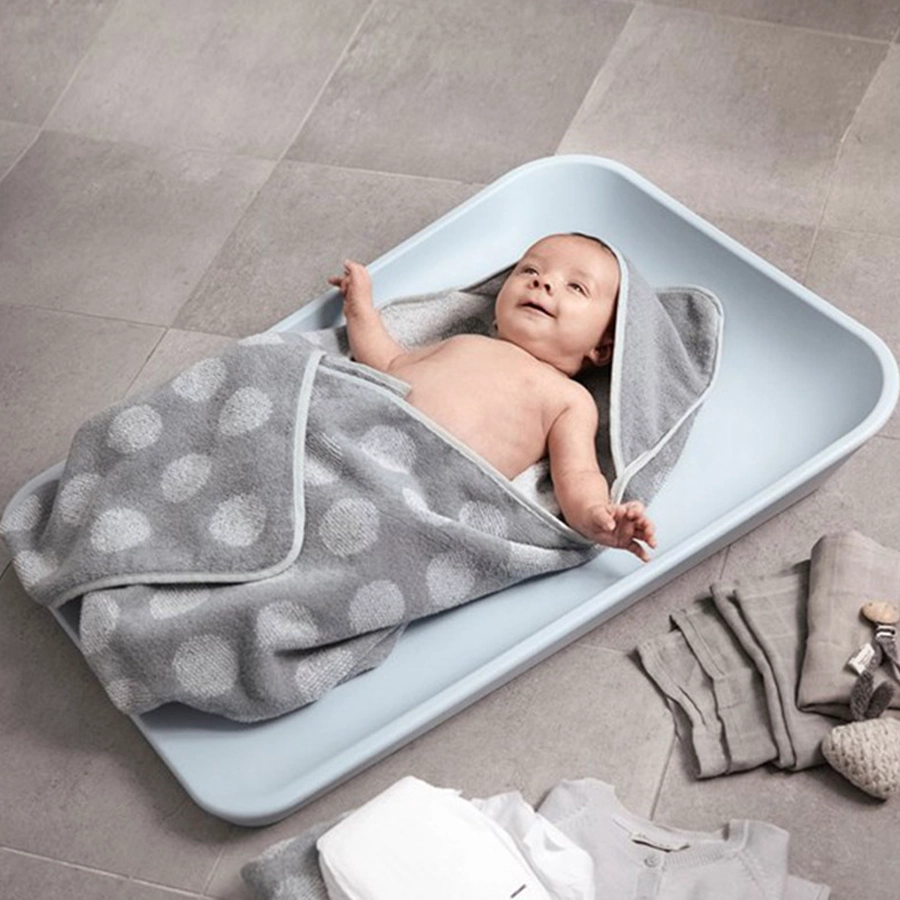
Can Polyurethane Changing Pads Be Customized?
Polyurethane molding provides baby-product brands with considerable design flexibility.
A custom polyurethane baby changing pad can be developed with different:
- Lengths, widths, and thicknesses
- Raised-edge shapes and heights
- Surface curves and ergonomic contours
- Firmness and cushioning levels
- Colors and surface textures
- Embossed or molded brand logos
- Base designs and non-slip features
- Product shapes and visual styles
- Packaging and branding concepts
This allows brands to create changing pads that match their product collections and target markets rather than relying only on standard designs.
Existing molds may provide a faster starting point for certain projects. For distinctive brand concepts, a new mold can be developed according to the customer’s drawings, dimensions, samples, or design requirements.
Why Work With Finehope for Custom PU Changing Pads?
Finehope has specialized in the development and manufacturing of molded polyurethane products since 2002.
We have produced customized baby changing pads for baby-product brands including Sebra, Najell, INFA, Babylist, and Apricity Baby. These projects have included different product shapes, dimensions, colors, contours, firmness levels, and branding requirements.
Finehope’s capabilities cover PU formulation, product development, mold support, prototyping, trial production, process control, and mass manufacturing. Material characteristics such as hardness, elasticity, density, support, surface feel, color, and durability can be adjusted according to the customer’s product concept and performance targets.
Our OEM and ODM services include:
- Existing molded PU changing pad models
- Custom product dimensions and shapes
- PU formulation and firmness adjustment
- Color and surface-finish customization
- Molded or embossed logo development
- New mold development
- Prototype and sample production
- Mass-production support
- Customized packaging solutions
By combining polyurethane formulation experience with mold-development and manufacturing capabilities, Finehope helps baby-product brands turn changing pad concepts into stable and production-ready products.
Whether a project requires an existing model or a completely customized design, our team can support the development process from the initial concept through mass production.
