












Are Polyurethane Baby Seats Good for Babies?
Finehope | Product News
Many parents and baby-product brands ask the same question when choosing an infant seating solution: Is a polyurethane baby seat a good choice for babies? In general, a well-designed polyurethane baby seat can provide comfortable support, a stable seating surface, easy cleaning, and flexible product styling for everyday feeding and play.
Polyurethane (PU) is widely used in modern baby floor seats, booster seats, feeding chairs, and molded chair accessories. Its adjustable firmness, resilience, and ability to form smooth one-piece shapes make it especially suitable for products that need to balance comfort, durability, hygiene, and attractive design.
What Is a Polyurethane Baby Seat?
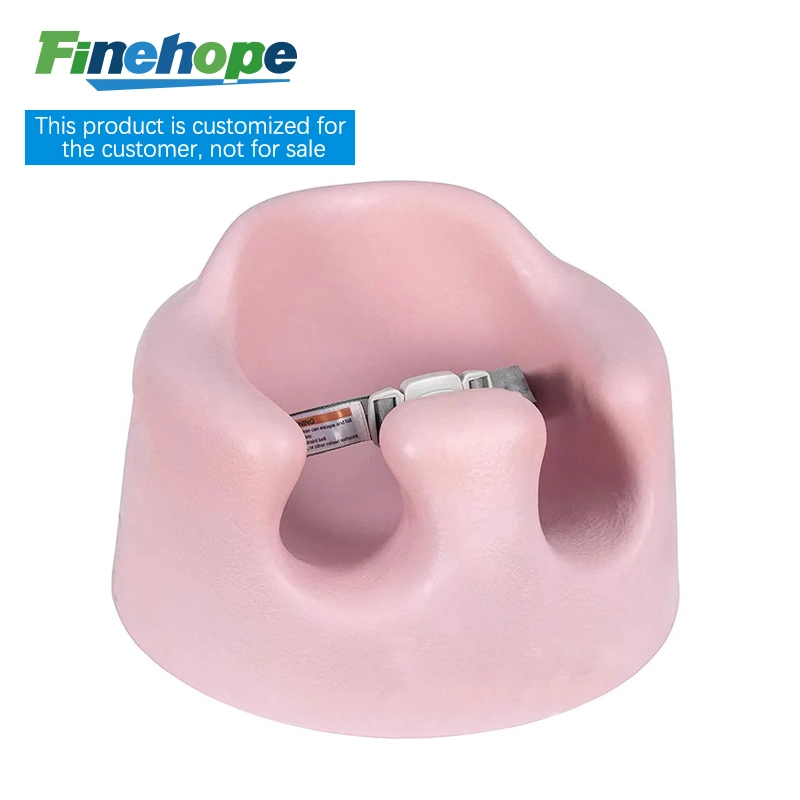
A polyurethane baby seat is a molded seating product made with PU material. Depending on the product design, the seat may use flexible PU foam for cushioning, integral-skin polyurethane for a durable outer surface, or rigid polyurethane components for added structure.
Unlike seats assembled from multiple cushions and fabric layers, a molded PU baby floor seat can be produced as a smooth, integrated form. The contours, back support, leg openings, surface texture, color, firmness, and accessories can all be developed to suit a brand's target users and application.
Why Are Polyurethane Baby Seats Popular?
The advantages of a PU baby seat come from the combination of material performance and molded design. Baby seating products must feel comfortable while remaining stable, easy to maintain, and suitable for repeated daily use. Polyurethane gives designers considerable freedom to meet these needs within one product platform.
Provides Comfortable, Supportive Seating
One of the most important benefits of polyurethane is that its hardness, density, elasticity, and support can be adjusted through material formulation and product structure. This allows a manufacturer to develop a baby seat that feels soft enough for comfort while maintaining the support needed for the intended seating position.
A carefully contoured backrest, rounded seat area, and appropriately sized leg openings can help distribute pressure more evenly and create a comfortable place for short, supervised periods of sitting, feeding, and play.
Offers a Stable One-Piece Structure
Molded polyurethane can form a solid one-piece body with smooth transitions between surfaces. Fewer seams and separate cushion layers can reduce places where food crumbs and spills collect, while the broad base and integrated form can contribute to a more stable product design.
Final stability still depends on the seat geometry, center of gravity, base dimensions, restraint design, production tolerances, and correct use. These factors should be evaluated during product development and verified against the requirements of the destination market.
Easy to Clean for Everyday Use
Feeding and play can quickly create spills and mess. A PU baby feeding seat with a closed, smooth surface can usually be wiped clean more easily than a product with several fabric-covered parts. This supports convenient daily care for parents and caregivers.
A seamless or low-seam design may also simplify hygiene management. Cleaning methods should always follow the product instructions, and the manufacturer should confirm surface resistance to the intended household cleaning agents during development.
Supports Flexible Colors and Shapes
Polyurethane molding gives baby-product brands significant design freedom. A custom polyurethane baby seat can feature soft curves, integrated armrests, ergonomic contours, embossed logos, decorative textures, and a wide range of colors.
This flexibility helps brands create a recognizable product appearance while adjusting dimensions for different markets, age groups, accessories, packaging concepts, and product collections.
Can a PU Baby Seat Support a Baby's Sitting Posture?
A properly designed PU baby floor seat can provide surrounding support for babies who have reached the developmental stage specified by the product manufacturer. The molded back and side contours can help the child remain centered during brief, supervised activities.
However, a baby seat does not teach sitting by itself and should not replace free movement, floor play, or caregiver interaction. Readiness varies from child to child. Parents should follow the stated age, weight, and developmental guidance and stop using the product when the child can climb out or exceeds the specified limits.
Unless a product has been specifically designed, tested, and approved for that purpose, a baby floor seat must not be used as a child car seat, sleep product, bath seat, or elevated high chair.
Benefits for Feeding and Play
With an appropriate tray or compatible table arrangement, a polyurethane baby booster seat or feeding seat can create a convenient space for snacks, toys, and supervised interaction. The supportive shape can help keep everyday items within reach and make cleanup easier after use.
For commercial buyers, modular trays, removable restraint systems, non-slip base features, and customized chair attachments can be considered during product design. Every accessory and connection point should be assessed as part of the complete finished product rather than as an isolated component.
Are Polyurethane Baby Seats Hygienic?
The smooth molded surface of an integral-skin PU baby seat can help reduce exposed foam and simplify routine wiping. Compared with absorbent textile layers, a closed surface is less likely to hold small spills when it remains undamaged and is cleaned promptly.
Hygiene also depends on good product design and correct care. Rounded corners, accessible crevices, removable accessories, and clear cleaning instructions can make a meaningful difference. Any cover, strap, buckle, or tray should be cleaned according to its own material requirements.
Do Polyurethane Baby Seats Have an Odor?
New molded products may sometimes have a light manufacturing odor when first unpacked. Material selection, formulation control, curing conditions, post-curing, storage, and packaging all influence the odor performance of polyurethane products.
Professional PU baby seat manufacturers can optimize formulations and production processes according to customer requirements. Buyers should define applicable chemical, odor, and emissions requirements before tooling and confirm compliance through appropriate testing for the target market.
Who Can Use a Polyurethane Baby Seat?
Depending on its certified design and stated limitations, a polyurethane baby seat may be suitable for:
- Babies who meet the manufacturer's sitting-readiness guidance
- Parents seeking an easy-to-clean baby floor seat
- Families needing a compact seat for supervised feeding or play
- Baby-product brands developing customized colors and shapes
- Retailers sourcing molded PU baby booster seats or feeding chairs
- OEM and ODM projects requiring adjustable material properties
The instructions, restraint system, age range, weight limit, and permitted use environments must be clearly defined for each finished product. Babies should always be supervised, and floor seats should be placed only on a flat, stable floor unless the product is specifically designed and approved for another installation.
How Long Does a Polyurethane Baby Seat Last?
Polyurethane is valued for resilience, wear resistance, and shape retention. A high-quality molded PU baby seat can deliver reliable performance through repeated daily use when the formulation, mold design, processing conditions, and quality controls are properly matched.
Actual service life depends on exposure to sunlight, temperature, cleaning chemicals, mechanical wear, storage conditions, and user behavior. The seat should be removed from use if it becomes cracked, torn, unstable, deformed, or otherwise damaged.
How to Choose a Quality Polyurethane Baby Seat
When selecting or developing a polyurethane baby seat, consider the following factors:
- Choose a design appropriate for the intended age, weight, and development stage
- Look for a wide, stable base and smooth, rounded contours
- Evaluate firmness, resilience, support, and sitting comfort
- Check the restraint system, buckles, attachments, and non-slip features
- Select an easy-to-clean surface and practical removable accessories
- Confirm material and finished-product testing for the destination market
- Work with an experienced custom PU baby seat manufacturer
The right product should combine comfort and attractive styling with clear instructions, consistent manufacturing quality, and safety verification appropriate to its intended use.
Why Work With Finehope for Custom PU Baby Seats?
Finehope specializes in the development and manufacturing of customized polyurethane molded products. For baby seating projects, material properties such as hardness, elasticity, support, feel, density, and color can be adjusted around the customer's product concept and performance targets.
From PU formulation development and mold support to trial production and mass manufacturing, an integrated development process can help brands improve product consistency, control project timing, and turn differentiated baby-seat concepts into production-ready solutions.
